


UK SIPs Annex and Luxury Annexe Builders
- Mark Moody
- Apr 16
- 6 min read
A well-designed annexe should feel like part of your property, not an afterthought at the bottom of the garden. That is why interest in a SIPs annexe, UK SIPs lodge construction, UK SIPs manufacturer choices, and UK luxury annexe builders in the UK has grown so quickly among homeowners who want more usable space without compromising on quality.
For many clients, the brief starts simply. They need somewhere for family to stay, a private place to work, or a separate building that can flex over time. What turns that idea into a building worth investing in is the construction method, the design process, and the standard of finish. This is where SIPs can make a genuine difference.
Why SIPs suit annexe and lodge construction
SIPs - structural insulated panels - are engineered panels that combine insulation with structural strength. In practical terms, they allow an annexe to be built with excellent thermal performance, a strong building envelope, and a relatively efficient installation programme.
That matters more than many people realise. An annexe is not just a garden room with a bed in it. If the aim is year-round comfort, low running costs and a building that feels substantial, the fabric of the build becomes one of the biggest decisions you make. A poorly insulated structure may look appealing on day one, but it can be expensive to heat and disappointing to live in once temperatures drop.
SIPs help create a more consistent internal environment. They can reduce cold bridging, support airtightness and provide the kind of solid construction that gives confidence when you are planning a premium space. For homeowners, that often means an annexe that feels calm, warm in winter and comfortable in summer. For developers and housebuilders, it also means a system that can support performance-led building requirements.
What to look for in a UK SIPs manufacturer
Not every UK SIPs manufacturer offers the same level of support, specification or quality control. The panel itself matters, but so does the wider service around it.
A reliable manufacturer should be able to explain panel composition, thermal values, structural performance and how the system integrates with the rest of the build. That includes roof design, foundations, ventilation strategy and internal finishes. If those conversations feel vague, that is usually a warning sign.
It is also worth asking how panels are fabricated and prepared before arriving on site. Precision manufacturing can help reduce delays and improve fit during installation, but only when the design information is handled properly from the outset. This is one reason why a joined-up approach is often better than buying panels in isolation and leaving others to work out the details later.
For a bespoke annexe, technical strength should be matched by design flexibility. Clients are rarely looking for a one-size-fits-all shell. They want a building that responds to the site, complements the house and supports the way they plan to use the space.
SIPs annexe or traditional build?
There is no single right answer for every project, but there are clear reasons why SIPs are increasingly popular for annexes and lodges.
A traditional masonry build can be a sensible choice in some settings, particularly where planning context, local character or specific structural requirements point that way. It is familiar, widely understood and can work well when time is less critical. The trade-off is that it may involve a longer programme and a more complex sequence of site work.
A SIPs annexe is often chosen when clients want a high-performing building envelope and a quicker route to a watertight structure. That can be especially appealing in residential settings where homeowners want less disruption and a more predictable build process. The finished result does not need to look modular or standardised either. Externally, a SIPs annexe can be clad and detailed in ways that feel every bit as refined and site-specific as more traditional methods.
The key point is that SIPs are not just about speed. They are about performance, build quality and long-term comfort.
UK SIPs lodge construction for modern living
When people hear the word lodge, they sometimes picture a holiday-style unit with limited lifespan or a fairly generic layout. Good UK SIPs lodge construction should aim much higher than that.
A well-designed lodge can function as a serious extension of the home. It might be guest accommodation, a multigenerational living space, a private studio, or a flexible retreat that evolves with the household. In each case, the same standards apply. The building should be structurally sound, thermally efficient and carefully designed inside and out.
This is where bespoke construction earns its place. Orientation, glazing, ceiling heights, storage, bathroom layout and interior finishes all affect how the space feels in daily use. A luxury annexe is rarely defined by size alone. More often, it comes down to proportion, light, materials and how effortlessly the building works for the people using it.
Site conditions matter too. Ground levels, access, neighbouring properties and planning considerations can all shape what is realistic. A good builder will not push a standard package onto an awkward site. They will adapt the design, advise clearly on what is possible and manage the practical details that protect the finish of both the new building and the surrounding garden.
What sets UK luxury annexe builders apart
The term luxury can be overused, but in this sector it should mean something specific. UK luxury annexe builders should offer more than attractive visuals. They should bring together design skill, technical understanding and dependable project delivery.
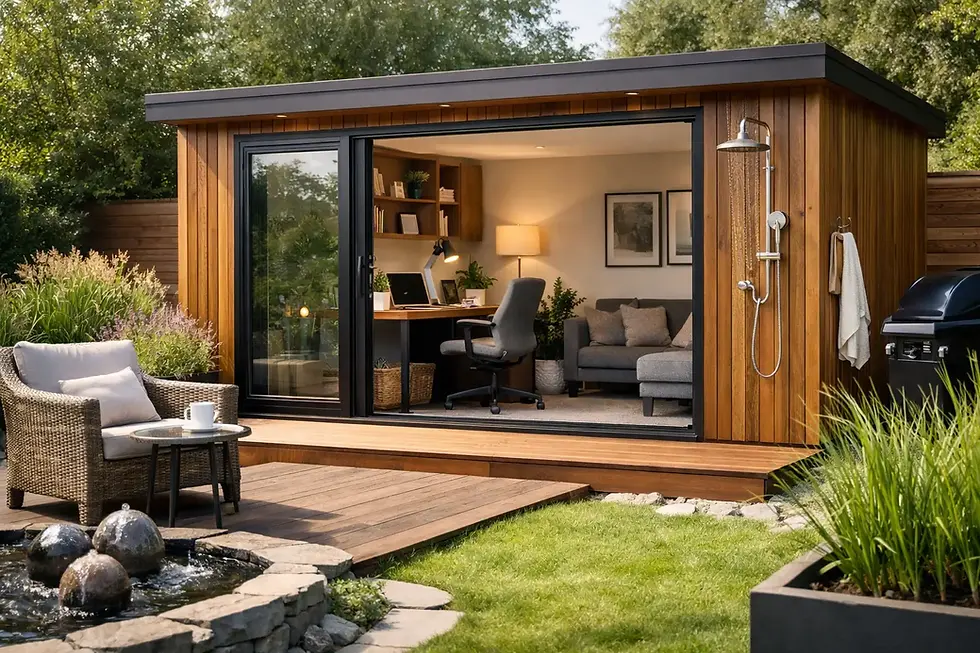
That starts with listening properly. Some clients need an annexe for ageing relatives and want it to feel welcoming, private and easy to maintain. Others want a polished work-from-home space with a shower room and kitchenette, or a high-end leisure building that feels like a natural extension of the house. Those needs are different, and the design should reflect that.
It also means managing the full journey well. Early design consultation, accurate visualisation, planning support where needed, careful installation and quality interior finishing all make a noticeable difference to the client experience. Bespoke projects can become stressful when responsibilities are fragmented. They are far smoother when one experienced team can carry the project from concept through to completion.
Craftsmanship matters just as much as process. Joinery details, cladding lines, flooring transitions, lighting design and the way the building meets the landscape all contribute to the final result. A premium annexe should feel resolved from every angle, not just impressive in marketing photographs.
Design choices that shape long-term value
When investing in an annexe, it is tempting to focus first on footprint or headline cost. In reality, long-term value usually comes from a combination of factors.
Thermal efficiency is one of them. Better-performing buildings are typically more comfortable and less expensive to run. Durability is another. High-quality materials and sound detailing can reduce maintenance headaches later. Then there is adaptability. A space that works as a guest suite today but could become a home office, treatment room or studio in future is often a better investment than one designed too narrowly.
Aesthetic integration also matters. The best annexes sit comfortably within the wider property. They respect the existing architecture, enhance the garden setting and feel intentional rather than added on. This is particularly important for homeowners who care about the overall value and appearance of their home.
For clients in Oxfordshire and surrounding areas, this balanced approach is often the difference between a building that simply adds floor area and one that genuinely improves the way the property functions. At Unique Garden Retreats, that is why bespoke design, SIPs expertise and full project support are treated as part of the same conversation rather than separate services.
Choosing the right partner for your annexe project
A good annexe builder should be open about what is included, realistic about timescales and confident discussing both design and construction. If you are comparing options, look closely at how each company handles detail.
Are they asking the right questions about use, layout and future flexibility? Can they explain why a particular wall build-up or roof specification has been recommended? Do they understand how to create a building that performs well in winter, looks right beside your home and still feels special years after completion?
Those are the questions that lead to better outcomes. A SIPs annexe can be an excellent investment, but only when the design, manufacturing and installation are handled with care.
The best projects do not start with a standard unit. They start with a clear understanding of how you want to live, work or host - and then build around that with skill.


Comments