


Insulated Garden Room vs Timber Shed
- Mark Moody
- Apr 19
- 6 min read
If you are weighing up an insulated garden room vs timber shed, the real question is not simply which one costs less. It is whether you need a basic outbuilding for storage, or a properly built space you can use comfortably throughout the year. On paper they can look similar - both sit in the garden, both add usable square footage - but in practice they serve very different purposes.
For many homeowners, the decision becomes clearer when you picture how the space will actually be used on a cold January morning or a warm July afternoon. A shed is usually built to house tools, bikes and garden equipment. An insulated garden room is designed for people - to work, exercise, relax or spend time in without battling temperature swings, damp or poor light.
What is the real difference?
A timber shed is generally a simpler structure made from timber panels fixed to a light frame. It may have a felt roof, basic floor and minimal weather protection. That is usually more than enough for storage, potting plants or keeping outdoor items out of the rain.
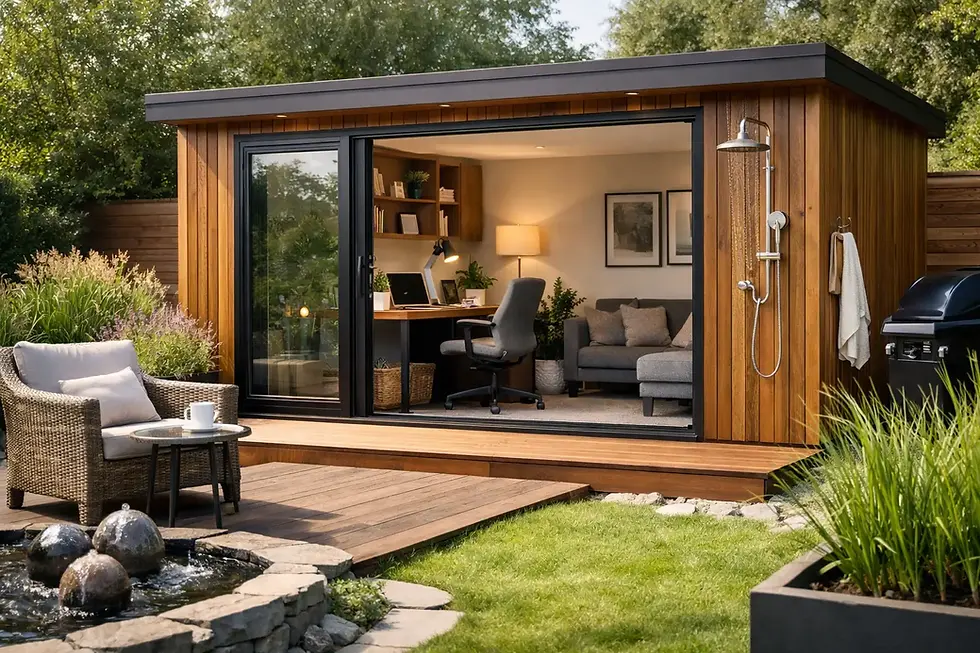
An insulated garden room is a different type of building. It is designed as a habitable space, with insulation in the floor, walls and roof, more advanced structural materials, secure doors and windows, and interior finishes that make it feel like part of the home rather than an afterthought at the end of the lawn.
That distinction matters because the build standard affects everything else - comfort, durability, energy efficiency, maintenance and how often you will actually use it.
Insulated garden room vs timber shed for everyday use
If your plan is to create a home office, gym, studio or cinema room, a standard shed will usually fall short. Even a well-kept timber shed can become cold, draughty and damp in winter, then overly warm in summer. You may be able to improve it with retrofitted insulation or lining, but most sheds are not originally designed to perform like a room you occupy for hours at a time.
A purpose-built insulated garden room is made with year-round use in mind. Better thermal performance helps stabilise the indoor temperature, while proper doors, glazing and ventilation make the space pleasant to spend time in. That is particularly important if you are taking video calls, using gym equipment, storing electronics or simply expecting the room to feel consistent and dependable every month of the year.
The difference is often less about luxury and more about practicality. If you need somewhere to sit and focus in comfort, insulation stops being a nice extra and becomes part of the basic brief.
Build quality and thermal performance
This is where the gap between the two options tends to widen.
Most timber sheds are built to a price point. They often use thinner cladding, simpler framing and little or no insulation. They can be perfectly suitable within those limits, but they are not typically engineered for the thermal and structural demands of a multi-use living or working environment.
A high-quality insulated garden room is usually built with a much more considered fabric. Depending on the system used, this can include engineered timber, insulated floor systems, breathable membranes, quality exterior finishes and high-performance wall and roof construction. Some bespoke builds use SIP panels, which offer strong thermal efficiency and structural integrity in a relatively slim build-up.
That construction detail is not just technical jargon. It directly affects how the space feels on a Monday morning in February, how much heating it needs, and how well it stands up over time. Good thermal performance also reduces the likelihood of condensation issues that can affect comfort and damage finishes.
Cost - cheaper now or better value later?
A timber shed is usually the cheaper upfront purchase. If all you need is secure storage, it can be a sensible and cost-effective choice. There is no point paying for a full insulated structure if the building will only ever hold lawn tools and outdoor cushions.
An insulated garden room costs more because it includes more - stronger construction, better foundations, insulation, glazing, electrical preparation, interior finishing and often a more tailored design and installation process. It is a more substantial investment.
Where homeowners sometimes misjudge the comparison is by starting with a shed and trying to upgrade it into something it was never meant to be. By the time you add insulation, internal lining, electrics, heating, upgraded windows, moisture control and cosmetic improvements, the savings can narrow quickly. Even then, the result may still not perform like a purpose-built room.
So the better-value option depends on the job. For storage, the shed often wins. For regular human use, the insulated garden room tends to justify its higher cost more convincingly.
Appearance and impact on your property
A shed is usually functional in appearance. That is not a criticism - many do exactly what they are meant to do and sit quietly in the background. But they are rarely designed as a visual extension of the home.
An insulated garden room is more likely to be integrated into the overall garden design. Proportions, cladding, glazing, roofline and internal layout all contribute to a more refined result. That matters if the building will be visible from the house or used as a destination space rather than a tucked-away utility area.
For homeowners investing in a long-term improvement, aesthetics are not superficial. A well-designed garden room can improve how the whole garden works, helping it feel more organised, balanced and useful. When the design is bespoke, you can also shape the building around the available footprint and the way you want to use the surrounding landscaping.
Planning, electrics and practical considerations
Both sheds and garden rooms may fall under permitted development in many cases, but it always depends on size, location, height and intended use. The more substantial and service-led the building becomes, the more important it is to consider planning, building performance and site logistics from the outset.
That is another reason the comparison is not entirely like-for-like. Buying a shed can be a straightforward product purchase. Commissioning an insulated garden room is usually a more involved project, often including design input, site assessment, groundwork, installation and finishing.
For many clients, that is a benefit rather than a burden. A managed process reduces guesswork and helps avoid the piecemeal approach that often creates problems later. If the room will need power, lighting, heating and reliable connectivity, those elements should be planned into the build rather than added as an afterthought.
Lifespan and maintenance
A standard timber shed can last well if it is properly installed, treated and maintained. But it generally asks more of the owner over time. Timber treatment, roof felt repairs, moisture checks and general wear can all become more noticeable, especially if the building is exposed to the weather.
An insulated garden room should also be maintained, but a higher-quality build with durable materials and a more considered envelope is usually better placed to age well. Good detailing helps with weather resistance, while stronger construction reduces the sense that the building is gradually battling the elements.
This matters if you are thinking beyond the next year or two. A room intended as a serious part of your home life should be built with longevity in mind.
Which one should you choose?
The clearest way to decide is to be honest about the role the building needs to play.
If you want a practical place for tools, bikes, compost, paint tins or seasonal storage, a timber shed is probably the right answer. It is simpler, cheaper and fit for purpose.
If you want a place to work from home, train, host guests, enjoy a hobby or create a retreat that feels genuinely comfortable in every season, an insulated garden room is the stronger choice. It is built for occupation, not just storage.
There is also a middle ground where some people start with shed-style thinking because they are focused on budget, then realise their expectations are closer to a small extension than a basic outbuilding. That is where clear advice makes a real difference. A bespoke provider such as Unique Garden Retreats can help align the design, specification and investment with how the space will actually be used, so you are not paying for unnecessary extras or compromising on the things that matter most.
The best choice depends on the life you want from it
When comparing an insulated garden room vs timber shed, the right option is usually the one that matches your expectations without forcing the building to be something it is not. If you only need storage, keep it simple. If you want comfort, performance and a space that earns its place in your daily routine, build for that from the start. The garden building you choose should make life easier, not become a project you outgrow six months later.


Comments