


Can Garden Rooms Add Value to Your Home?
- Mark Moody
- Apr 20
- 6 min read
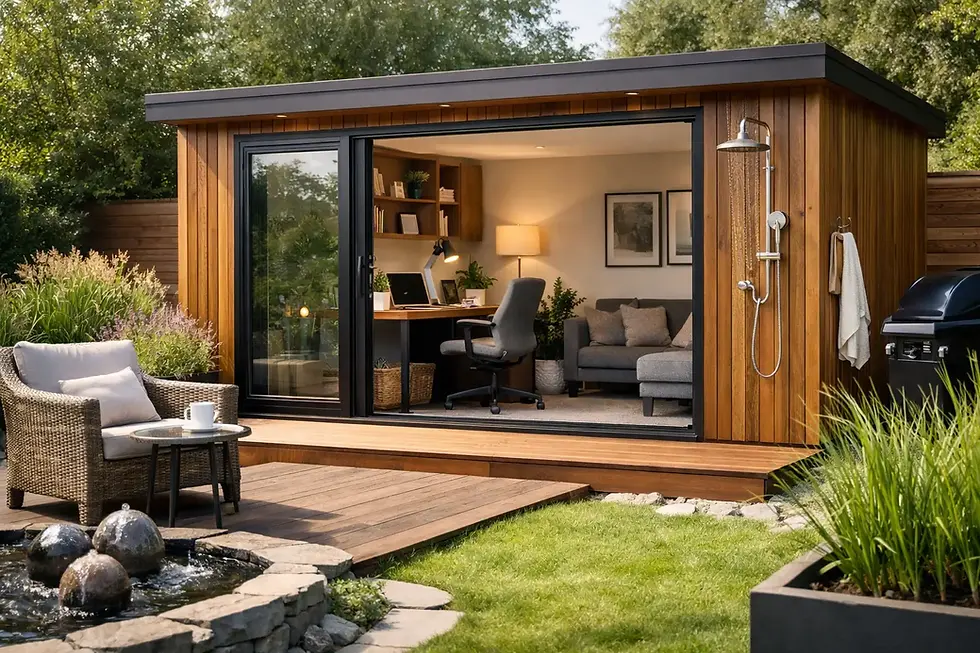
A well-built garden room can change how a home feels long before it changes the asking price. For many homeowners, the real question is not simply can garden rooms add value, but how much value they add, what buyers actually care about, and whether the investment makes sense for the way you live now.
The honest answer is yes, they can add value - but not automatically, and not in the same way for every property. A bespoke garden office, gym or multi-use retreat can make a home more attractive, more flexible and more competitive when it comes to sale. At the same time, poor design, weak insulation or a room that looks like an afterthought may do very little for value at all.
Can garden rooms add value in practice?
In practice, value comes from usefulness. Buyers respond to extra space when it solves a real need, and garden rooms are appealing because they create separation without the cost and disruption of a full extension. A home office away from household noise, a private fitness space, or a calm room for hobbies and guests all have obvious day-to-day appeal.
That said, estate agents and buyers do not usually look at a garden room in isolation. They look at the whole property package. If the building feels permanent, comfortable and in keeping with the house, it can lift the overall impression of quality. If it feels flimsy or temporary, it may be seen as little more than a shed with nicer cladding.
This is where specification matters. A properly designed structure with strong thermal performance, solid foundations, quality glazing and thoughtful internal finishes is far more likely to support property value than a budget unit installed quickly with little attention to detail.
What makes a garden room valuable to buyers?
The features that matter most are usually practical rather than flashy. Buyers tend to notice whether the room is comfortable all year round, whether it has enough natural light, whether it feels secure, and whether it can adapt to different uses over time.
Year-round performance
A garden room only adds meaningful appeal if it can be used throughout the seasons. Insulation, airtightness and build quality make a major difference here. If a room is too hot in summer, too cold in winter or expensive to heat, buyers will question its worth.
This is one reason high-performance construction methods, including SIP-based systems, can make a difference. They help create a structure that feels more like a proper extension of the home and less like a detached outbuilding used only when the weather is kind.
Design that suits the property
The best garden rooms look like they belong. Proportions, materials, rooflines, window placement and landscaping all affect that sense of fit. A beautifully made room that clashes with the house or dominates a small garden may limit appeal rather than increase it.
Good design also protects the outdoor space around it. Buyers still want a garden, not just a building at the bottom of it. When the room is carefully positioned and the surrounding landscaping is restored properly, the result feels intentional and balanced.
Flexible use
A room with a single, highly specific purpose can still be attractive, but flexibility broadens buyer appeal. A cinema room may delight one household and do nothing for another. A space that could work as an office, studio, snug, treatment room or guest overflow space tends to have wider value.
This is why layout and interior finish should support more than one future use. Sensible lighting, good sockets, strong connectivity and enough wall space for furniture all help.
How much value can a garden room add?
There is no fixed figure that applies to every home. The uplift depends on location, property type, garden size, build quality and the expectations of buyers in your area. In parts of Oxfordshire and similar markets, where home working is common and buyers often value lifestyle-led space, a premium garden room can be a strong selling point.
But it is sensible to think of value in two ways. The first is direct financial value - whether the property may command a higher sale price. The second is marketability - whether the home sells more quickly or stands out better against similar listings.
Often, the second is just as important. A house with a well-designed garden room may attract stronger interest because it offers something immediately useful and aspirational. That can improve negotiating position, even if the uplift is not a simple pound-for-pound return on the build cost.
When a garden room may add less value
Not every project performs equally well. There are clear cases where the impact on value can be limited.
If the room is too small to be genuinely functional, buyers may not see it as usable space. If it takes up too much of a modest garden, the trade-off can feel unfavourable. If electrics, heating or finishes are poor, people may assume they will need to spend more after purchase.
Planning and compliance can also influence confidence. Buyers like clarity. If a structure appears questionable in terms of positioning, usage or build standard, that uncertainty may weaken rather than strengthen its value.
The finish matters as well. A bespoke room should feel integrated and complete, not like a DIY project that never quite got finished. Internal plastered walls, quality flooring, reliable doors and windows, and landscaping that repairs the garden after installation all contribute to the overall impression.
Garden office, gym or retreat - which adds the most?
There is no single winner, because the strongest added value usually comes from versatility. Even so, some uses tend to resonate more consistently with buyers.
Home offices
A garden office remains one of the clearest value drivers. Remote and hybrid working have changed what many households expect from a property. A separate, quiet workspace is a practical benefit that buyers can understand immediately.
Home gyms
A gym can be highly appealing, especially when the room has enough insulation, ventilation and structural strength for heavier equipment. Still, it is most valuable when buyers can also imagine using it for something else later.
Lifestyle rooms
Cinema rooms, music rooms and creative studios can be impressive, but they are more personal. They often add value by making the property memorable rather than by appealing to every buyer. If designed carefully, these spaces can still work well because the underlying room remains adaptable.
Build quality is where return is won or lost
This is the point many homeowners underestimate. The conversation about value often focuses on size or appearance, but long-term return is usually tied to construction quality. Buyers may not ask technical questions in detail, yet they notice comfort, solidity and finish straight away.
A premium garden room should feel substantial underfoot, quiet inside, and stable in temperature. Doors should close properly, glazing should feel secure, and the whole structure should look built to last. These are the details that support value because they create trust.
For that reason, a bespoke approach often outperforms standard off-the-shelf units when resale is considered. A room designed around the site, the house and the intended use is more likely to look right, function properly and age well.
Should you build for resale value alone?
Usually, no. The strongest projects are the ones that work for you first and support value second. If you build a garden room purely to chase resale value, there is a risk of overthinking what a future buyer might want and underinvesting in the things that will matter while you own it.
A better approach is to create a space with immediate purpose and broad long-term appeal. If you need a proper office now, build a proper office - but make sure the proportions, lighting and finish would also suit a studio or snug in future. That balance tends to produce the best outcome.
For homeowners who want quality, bespoke design and a managed process from concept to completion, that joined-up thinking is exactly what companies such as Unique Garden Retreats are there to deliver.
So, can garden rooms add value?
Yes - when they are designed well, built properly and suited to both the property and the people who may buy it next. The added value comes from creating useful, comfortable space that feels like a natural extension of the home rather than an optional extra at the bottom of the garden.
If you are considering one, focus less on chasing a headline figure and more on getting the fundamentals right. A garden room that is warm, flexible, beautifully finished and carefully integrated into the garden will always give you a stronger return - financially, practically and in the way your home is perceived.


Comments