


Garden Room Versus Conservatory
- Mark Moody
- Jun 9
- 6 min read
When homeowners start weighing up a garden room versus conservatory, the question is rarely just about looks. It usually comes down to how you want the space to feel in February, how often you plan to use it, and whether you want an extension of the house or a separate retreat with a clear purpose.
Both can add value to daily life, but they solve different problems. A conservatory tends to create a lighter, more open connection to the home and garden. A bespoke garden room is usually chosen when the goal is year-round comfort, privacy and a space designed around a specific use, whether that is a home office, gym, studio or cinema room.
Garden room versus conservatory: what is the real difference?
At a glance, the distinction seems simple. A conservatory is generally attached to the house and built with a high proportion of glazing, often including a glazed roof or partially glazed roof. A garden room is usually a separate building positioned away from the house, with insulated walls, a solid roof and performance levels closer to a modern habitable room.
That difference in structure has a major effect on how each space performs. Conservatories are often chosen for casual sitting, dining or as a sun-filled garden-facing room. Garden rooms are more often treated as fully functional spaces that need to work in all seasons and at all times of day.
If you want somewhere to enjoy a morning coffee in spring and summer, a conservatory may be enough. If you need to start work at 8am in January without wearing a jumper and worrying about glare on your screen, a garden room is usually the stronger option.
How the space will actually be used matters most
The best choice depends less on the label and more on the job the room needs to do.
For a family looking for extra lounge space directly connected to the kitchen or dining room, a conservatory can feel like a natural addition. It keeps the household flow intact and opens the rear of the property to the garden. That connection is often the main appeal.
A garden room works differently. Because it sits apart from the house, it creates a degree of separation that many homeowners actively want. That is especially true for remote workers, business owners, teenagers needing study space, or anyone trying to carve out a quieter part of the property. Walking a few steps across the garden may not sound significant on paper, but in practice it can create a far better boundary between home life and everything else.
This is often where clients become clearer on what they really want. If the space needs to feel flexible but dedicated, a bespoke garden room usually gives you more control over layout, lighting, storage, acoustics and comfort.
Comfort through the year
One of the biggest deciding factors in any garden room versus conservatory comparison is temperature control.
Traditional conservatories are known for feeling too hot in summer and too cold in winter. Modern systems are certainly better than older versions, with improved glazing and roofing options, but a room with large areas of glass will always behave differently from a fully insulated structure. Solar gain, glare and heat loss are all harder to manage when glazing dominates the build.
A well-constructed garden room is designed more like a high-performing building than a glazed add-on. With insulated floors, walls and roof, alongside quality doors and windows, it is much easier to keep the internal environment stable. That matters if you are using the room every day rather than occasionally.
Build quality is central here. Structural systems such as SIP panels are valued because they offer excellent thermal performance and strength in a relatively efficient wall build-up. For homeowners investing in a premium outdoor room, this kind of construction detail makes a noticeable difference to comfort and running costs over time.
Design freedom and aesthetics
Conservatories have a recognisable visual language. They can be elegant and bright, and in the right property they look completely at home. But they are often more constrained by the style of the house, by the need to tie into the existing structure and by the established forms available in the market.
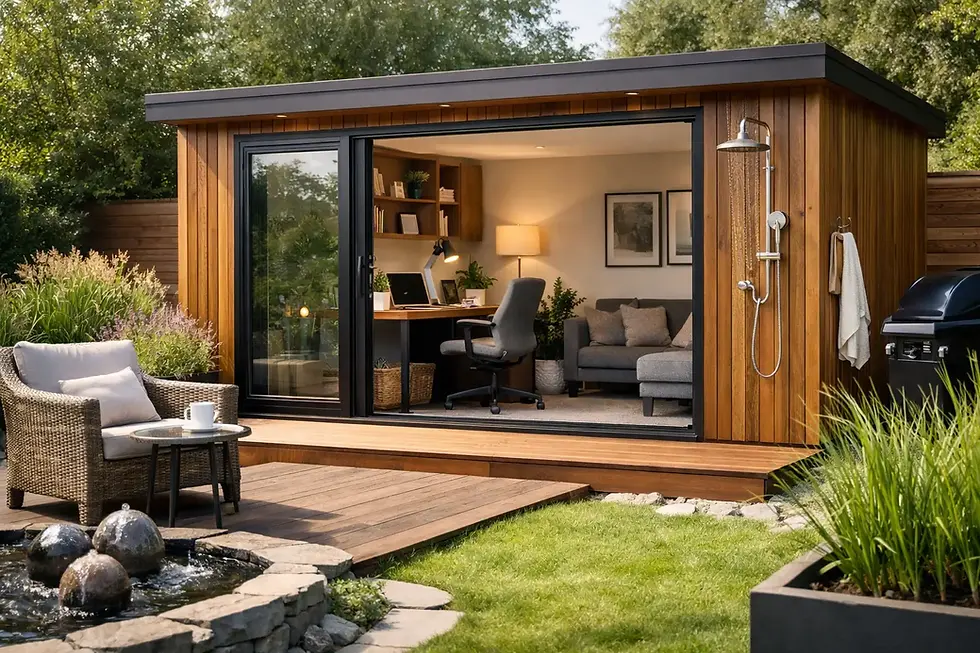
Garden rooms tend to allow more freedom. Because they are bespoke standalone buildings, they can be designed around both the site and the lifestyle of the homeowner. That could mean a contemporary office with large sliding doors, a low-profile gym positioned discreetly at the end of the garden, or a cinema room with controlled natural light and a more enclosed feel.
The finish matters just as much as the footprint. Cladding choices, internal layouts, rooflines, glazing placement and surrounding landscaping all shape how natural the building feels in the garden. A thoughtfully designed garden room should not look dropped into place as an afterthought. It should feel integrated with the property and its outdoor setting.
Planning permission and building regulations
This is an area where broad assumptions can be unhelpful, because the answer depends on the property, the proposed size, the location and how the building will be used.
Many garden rooms can fall within permitted development, but not all do. Factors such as height, position, use and whether the property is in a conservation area can all affect what is possible. Conservatories can also fall under permitted development in certain situations, but attachment to the house introduces different considerations.
Building regulations are another point of difference. A conservatory may sometimes be exempt if it meets specific criteria, but once you start changing glazing ratios, thermal separation or overall performance expectations, the picture can shift. A garden room intended for regular use, especially with electrics, plumbing or more advanced insulation standards, needs careful attention to compliance.
This is one reason a managed, end-to-end approach matters. Good design is not only about appearance. It is about understanding the planning context, construction method and intended use from the beginning, so there are no expensive surprises later.
Cost is not just about the initial quote
It is natural to compare starting prices, but the better question is what you are getting for the investment.
A conservatory can appear to be the more affordable route, particularly at entry level. However, if the result is a room that is uncomfortable for several months of the year, the lower initial cost may not represent better value. Retrofitting roofing upgrades, blinds, heating improvements or ventilation changes can quickly narrow the gap.
A bespoke garden room often requires a higher starting investment, especially when it includes groundwork, premium materials, interior finishing and tailored design features. Yet it is also more likely to function as a true additional room rather than overflow space. For many homeowners, that makes it easier to justify.
The value becomes even clearer when the room supports daily life in a meaningful way. A garden office can reduce commuting, improve focus and free up space inside the home. A private gym changes how often it gets used. A flexible retreat may adapt as family needs change. In those cases, performance and suitability matter more than the headline quote.
Which adds more value to a property?
There is no universal answer, because buyers respond to quality, design and practicality rather than simple labels.
A well-executed conservatory can make a home more appealing, especially if it improves the ground-floor layout and creates a bright living area. But if it feels like a seasonal room, purchasers may not value it as highly as the owner expects.
A high-quality garden room can be particularly attractive when it offers a clear modern use. Since remote and hybrid working have become part of everyday life for many households, fully insulated outdoor offices and multipurpose garden buildings can carry strong appeal. The key is that they must feel permanent, well-built and thoughtfully integrated into the property.
Poorly made versions of either option can have the opposite effect. Buyers notice when a structure feels flimsy, awkwardly positioned or cheap in finish.
When a conservatory is the better choice
A conservatory may suit you best if your priority is expanding the main house rather than creating separation. It works well when you want a garden-facing family room, more natural light in the rear elevation and a space that feels socially connected to the kitchen or dining area.
It can also be a good fit for homeowners who love the classic glazed look and are realistic about how the room will be used. Not every additional space needs to function as a full office, studio or all-season retreat.
When a garden room is the better choice
A garden room is usually the better solution when performance, flexibility and privacy matter. If you need a space that supports concentrated work, exercise, entertainment or guests throughout the year, the benefits of insulation, acoustic separation and bespoke design become much more significant.
It is also the better route if you want a room that is shaped around your life rather than around standard configurations. For homeowners in Oxfordshire looking for that level of personalisation and project support, companies such as Unique Garden Retreats focus on taking a space from concept to completion with both design and technical quality in mind.
The right decision comes from being honest about how you will use the room three years from now, not just how it looks on the day it is installed. If you want light and connection, a conservatory may be exactly right. If you want a dependable space with purpose, comfort and staying power, a bespoke garden room is often the smarter investment. The best projects start when the building matches the way you actually live.


Comments