


Garden Room vs Extension: Which Suits You?
- Mark Moody
- Apr 8
- 6 min read
When homeowners start weighing up a garden room vs extension, the real question is rarely just about square footage. It is about how you want to live, how quickly you want the space, and whether that new room needs to feel like part of the house or a destination of its own.
For some, an extension is the obvious answer - especially if the kitchen is too small or the family simply needs more internal living space. For others, a garden room solves the problem more neatly, creating a separate office, gym or retreat without major disruption to the main home. The right choice depends on what the room needs to do, how your plot works, and how much complexity you are comfortable taking on.
Garden room vs extension: the core difference
An extension enlarges your main house. It is physically attached, integrated into the existing structure and usually intended to become part of everyday domestic living. That makes it a strong option for open-plan kitchens, larger lounges, utility rooms or a ground-floor bedroom.
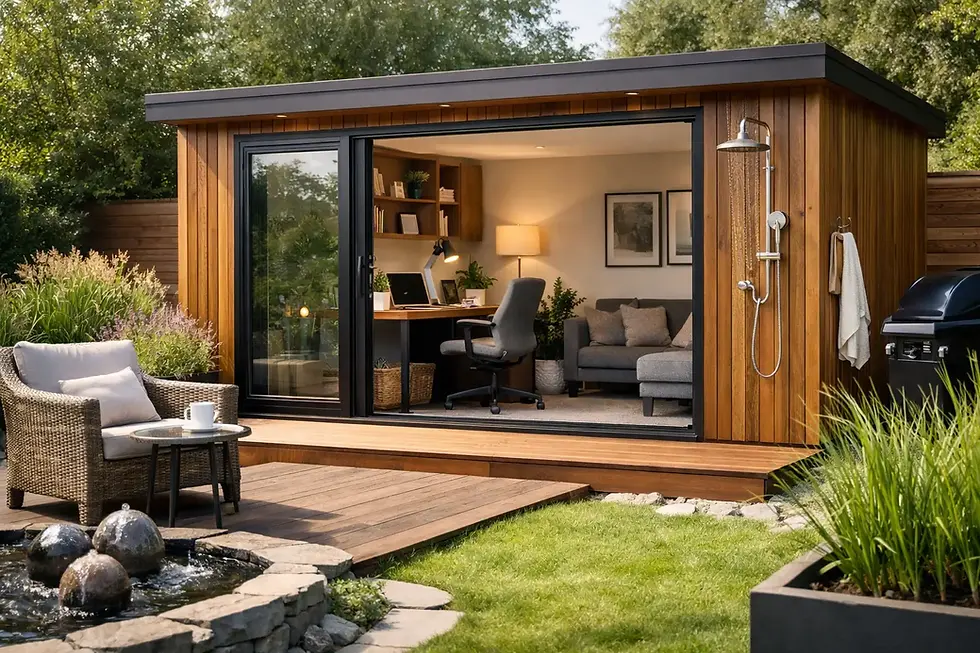
A garden room sits separately in the garden as a standalone building. When designed properly, it is not a glorified shed or a seasonal extra. It can be a fully insulated, comfortable space for year-round use, with strong thermal performance, proper electrics, quality finishes and a layout tailored to a specific purpose.
That distinction matters because attached and detached spaces behave differently. An extension blends into the house. A garden room creates separation. One expands the flow of the home, while the other can improve it by giving you somewhere else to go.
Start with the purpose, not the build type
The best decisions usually begin with use. If you need a bigger kitchen-diner, extending the house often makes more sense than moving that activity into the garden. If you want a quiet place to work, train, create or switch off, a garden room often offers a better experience because it removes you from the noise and habits of the house.
This is where many homeowners get clearer very quickly. A home office inside an extension may still leave you five metres from the washing machine, the television and the usual interruptions. A garden office, by contrast, creates a proper boundary between home life and working hours, even though you are only a short walk from the back door.
The same applies to gyms, cinema rooms and hobby spaces. These uses benefit from a degree of privacy and separation. That is one reason bespoke garden rooms have become so popular with people who want added space without changing the entire layout of the house.
Cost is important, but so is what you are buying
A straight price comparison can be misleading. Extensions often cost more because they involve deeper structural integration with the existing property, more invasive building work and, in many cases, more complicated foundations, drainage and alterations to the current home.
Garden rooms can be more cost-effective, but that depends on specification. A high-quality bespoke garden room with strong insulation, durable materials, efficient glazing and a fully finished interior is not the same as a budget outbuilding. If you are comparing a premium garden room with a basic extension shell, you are not really comparing like with like.
It is better to look at value. Ask what the space gives you, how usable it will be in January as well as July, and whether the build process suits your life. A cheaper build that is too hot in summer, too cold in winter or awkwardly designed will not feel like value for long.
Planning and approvals can shape the decision
Planning is one of the biggest reasons people hesitate, and understandably so. Extensions and garden rooms can both involve planning considerations, but the route is often different.
Many extensions fall within permitted development, though not always. It depends on size, height, location, previous alterations and whether the property has any restrictions. Building regulations also tend to play a central role because the new structure becomes part of the house.
Garden rooms may also be possible under permitted development, particularly when they are ancillary to the main home and designed within the relevant limits. That said, there are still important details to check, including height, proximity to boundaries, use, and whether you live in a conservation area or a listed property.
The practical point is this: neither option should be treated casually. Good project support makes a real difference here, because planning and compliance questions are much easier to handle early than after designs have been fixed.
Disruption is often underestimated
An extension usually means living through the build. There may be noise, dust, restricted access, changes to the kitchen or rear of the house, and a longer period of upheaval for the household. For some families, that is manageable. For others, particularly those working from home, it is a serious drawback.
A garden room is often less disruptive because the bulk of the work happens away from the main living areas. There will still be site activity, groundwork and installation, but your day-to-day routine inside the house is less likely to be heavily affected.
That difference can matter just as much as the final structure. If your household is busy and you want a smoother route to extra space, a detached build can feel far more straightforward.
Comfort and build quality matter more than people think
This is where the conversation moves beyond simple aesthetics. A well-built garden room should feel solid, insulated and dependable throughout the year. Construction methods, wall build-up, floor and roof insulation, glazing specification and ventilation all play a part.
High-performance systems such as SIP panels are especially relevant here because they combine structural strength with excellent thermal efficiency. For homeowners who want a genuine all-season room rather than a fair-weather extra, the build system matters a great deal.
Extensions, of course, can also deliver excellent comfort when designed and built well. But garden rooms have evolved significantly. They are no longer a compromise by default. In many cases, a bespoke garden room can provide a highly refined internal environment that feels calm, warm and purpose-built.
Aesthetics and the feel of the space
An extension is usually expected to match or complement the house. That can be beautiful, but it can also limit design freedom. The room often needs to work within the language of the existing building.
A garden room offers more creative flexibility. Because it stands apart, it can have its own character while still sitting comfortably within the garden. That opens the door to more tailored layouts, larger glazing toward a private view, or a more contemporary finish that gives the space a distinct identity.
For clients investing in a premium home office, gym or retreat, that sense of identity is often part of the appeal. The room is not just extra area. It becomes a destination with a clear purpose.
Which option adds more value?
Property value is never completely predictable, because it depends on location, buyer expectations and the quality of the work. In broad terms, an extension can add strong value when it improves core living functions such as kitchens, dining areas or bedrooms.
A garden room can also add appeal, particularly now that flexible work and lifestyle space carry much more weight with buyers. A well-designed detached office or studio can make a home stand out, especially when it looks permanent, practical and finished to a high standard.
What buyers tend to notice most is whether the additional space feels useful and properly executed. Poorly built space can be a concern. Well-designed space can be a selling point.
So, when does a garden room make more sense?
If you want a dedicated office, private gym, cinema room, studio or flexible retreat, a garden room often wins on focus, speed and day-to-day enjoyment. It gives you separation without needing to alter the entire house, and it can do so with less disruption.
If you need to enlarge the main fabric of the home - perhaps to create a larger kitchen, a family room or more integrated living space - an extension is usually the better fit. It keeps the function inside the home where it belongs.
There are also cases where the decision comes down to the site. A narrow plot, difficult access, existing garden layout or neighbouring boundaries can all influence what is practical. That is why bespoke design matters. The best answer is rarely generic.
At Unique Garden Retreats, that tailored approach is central to getting the decision right. A bespoke garden room should respond to the way you live, the shape of your garden and the standard you expect from a long-term investment.
If you are deciding between the two, step back from the labels for a moment and picture the room in daily use. The best choice is the one that will feel right on an ordinary Tuesday in February, not just on paper.


Comments